The T-Shirt That Outlived the Canyon: How 127 Hours Dressed a Generation of British Festival-Goers
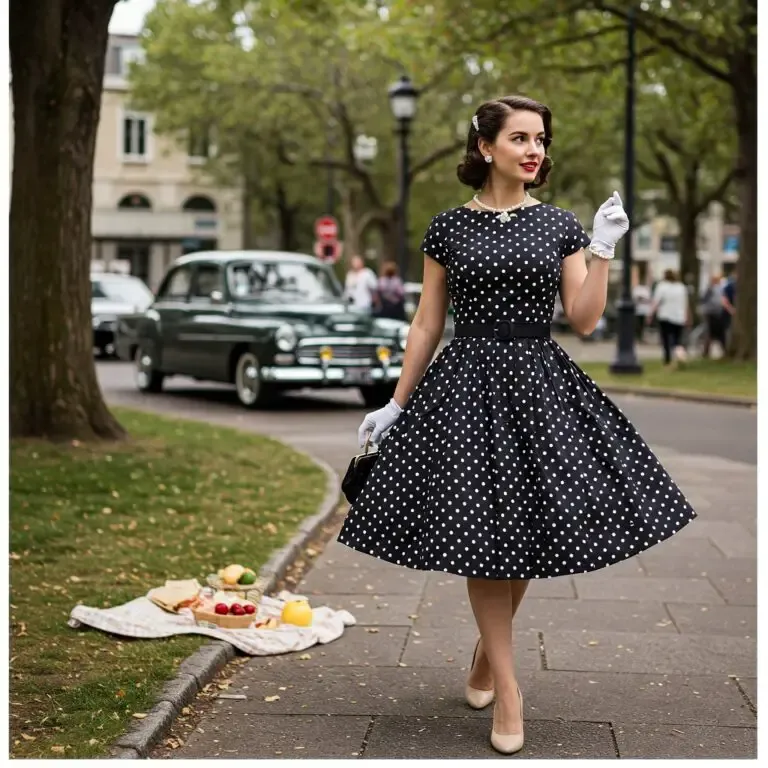
Photo: vintage faded graphic t-shirt hanging in thrift shop, via everoutfits.com
There is a particular kind of garment that appears, briefly, in Danny Boyle's 127 Hours and then refuses to leave the British cultural imagination. It is not a superhero suit or a bespoke gown. It is a cotton t-shirt — sun-bleached, sweat-marked, slogan-printed — worn by James Franco's Aron Ralston as he cycles into the Utah desert and, ultimately, as he fights to leave it.
Fifteen years on, that shirt has acquired a strange afterlife in the UK. It hangs in vintage shops in Manchester's Northern Quarter. It is name-dropped in the stocklists of London streetwear dealers. And every summer, somewhere on a festival field in Somerset or a campsite in the Peak District, someone is wearing a faithful replica without necessarily knowing why it feels so right.
A Costume That Had to Look Lived In
Costume designer Suttirat Larlarb's brief for the film was deceptively simple: everything Ralston wears must feel authentic to a keen American outdoorsman in 2003 — and it must degrade convincingly over five days trapped beneath a boulder. The result is a masterclass in narrative dressing. What begins as bright, optimistic adventure wear becomes, by the film's third act, a document of endurance: salt rings, dust, blood, and all.
"The genius of it," says Marcus Ellery, who runs a vintage outdoor clothing stall in Brick Lane, "is that the costume does the storytelling. You watch the shirt die slowly alongside him. People come into the shop asking for 'that 127 Hours look' — technical shorts, a faded graphic tee, a battered daypack. They want the film's whole aesthetic in three items."
That aesthetic — functional, sun-faded, faintly heroic — dovetailed neatly with what British high streets were already moving towards. The early 2010s saw the rise of heritage outdoor brands, from recycled Patagonia fleece to reissued Karrimor, and 127 Hours arrived at precisely the moment UK fashion was falling back in love with practical kit.
The Replica Hunters
Not everyone is content with approximation. Online forums and eBay saved-searches reveal a small but dedicated community of fans tracking down period-correct pieces — the exact sunglasses, the specific hydration pack, and above all, the shirt.
Ellie Stanton, a 29-year-old illustrator from Glasgow, spent eight months assembling what she calls her "canyon kit" for a themed screening at a local independent cinema. "The shirt was the hardest," she explains. "It's a specific 2003-era print, and the film lighting makes it look different in every scene. I ended up distressing a near-match with tea staining and a sanding block. My flatmate thought I'd lost the plot."
Stanton's efforts earned her first prize on the night — a certificate and, fittingly, a multi-tool. "The cinema manager said it was the most committed fancy dress he'd seen since a woman arrived as the boulder itself. She'd committed even harder, to be fair."
From Slot Canyon to Festival Field
The film's wider visual language — saturated colour, sun-flare, that unmistakable desert palette — has seeped into how young Britons dress for the outdoors, or at least for the idea of the outdoors. Glastonbury's wellies-and-bandana uniform has, in recent years, made room for technical shorts and retro graphic tees that owe more to Ralston's rucksack than to rave culture.
Whether the film can claim direct credit is debatable, and fashion historians are right to be cautious about tidy causation. But the timing is suggestive. Boyle's film made the solo adventurer — scrappy, self-reliant, slightly underdressed for the seriousness of his undertaking — into a romantic figure. British festival wear absorbed the silhouette, if not the amputation.
There is, of course, a gentle irony here. Ralston's ordeal was, in part, a lesson about the limits of self-sufficiency — about how a man who prided himself on needing no one discovered precisely how much he needed everyone. That a t-shirt from that story now signals effortless independence on a festival field in Yorkshire is the kind of contradiction culture produces without trying.
Wearing It Well
For those tempted by the look, the dealers' advice is consistent: buy real, buy old, and wear it hard. "The whole point of the aesthetic is evidence of use," says Ellery. "A pristine replica misses the joke. The shirt only works if it looks like you've been somewhere."
Preferably, one assumes, somewhere with good phone signal — and a friend who knows where you've gone.