Selling the Squirm: How 127 Hours Was Marketed to a Sceptical British Public
Photo: Andre Carrotflower, CC BY-SA 4.0, via Wikimedia Commons
The problem on paper
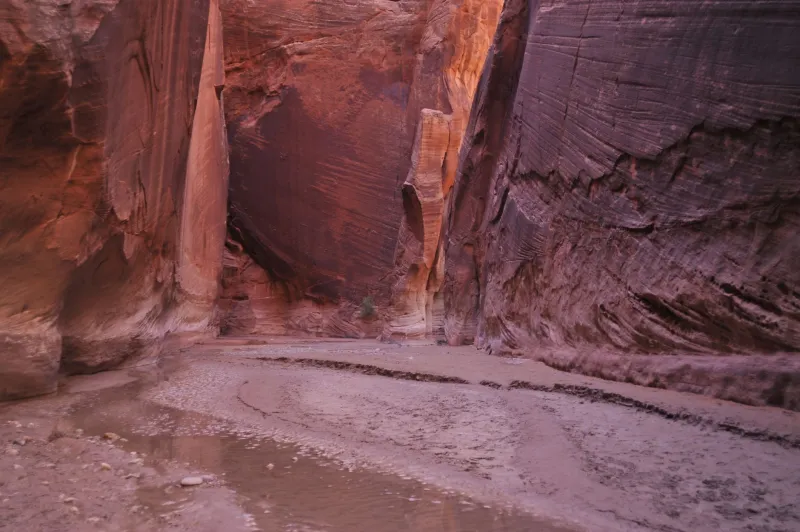
On paper, 127 Hours presented British distributors with an unenviable brief. The film was a true story, directed by Danny Boyle, starring James Franco and based on Aron Ralston’s account of his own survival in Blue John Canyon. It was also, for long stretches, a man alone in a narrow slot, unable to move his arm. The central dramatic event was an amputation. However acclaimed the film might be, the pitch could sound less like a night out than a medical procedure with a soundtrack.
The UK marketing campaign therefore had to perform a delicate act of translation. It needed to sell prestige without making the film seem like homework; it needed to acknowledge the ordeal without turning the cinema into a dare; and it needed to attract the broad British audience that had made Boyle’s Slumdog Millionaire a word-of-mouth phenomenon, while preparing that audience for something far more claustrophobic.
The poster and the promise of scale
The poster artwork did much of this work before a single trailer ran. The dominant image was usually the canyon itself — rock, light, a figure caught in the frame — rather than the amputation. The visual language promised scale and isolation: a landscape that dwarfed the human figure, a story that was both intimate and epic. For British cinema-goers accustomed to posters that advertise either spectacle or misery, 127 Hours offered a hybrid: a survival thriller with art-house credentials.
The tagline ‘Every second counts’ was a model of economy. It carried the film’s tension without naming its horror. It also worked as a quiet instruction to the audience: this is a film about time, not just pain. In a British market where audiences are often suspicious of being lectured, the line had the advantage of sounding like a thriller rather than a lesson.
Trailer cuts and the management of dread
The trailer was where the campaign’s balancing act became most visible. Early sections emphasised adventure: the mountain bike, the canyon, the rush of the outdoors. Then came the rock, the trapped arm, the dwindling water. The editing promised momentum even as the story promised stasis. Crucially, the trailer did not linger on the amputation. It implied it, flickered toward it, and then cut away. That restraint was a form of respect for the audience, but it was also a commercial strategy: a trailer that showed too much would confirm the fear that the film was simply an endurance test.
British press materials followed a similar logic. Interviews with Boyle and Franco emphasised the film’s humour, its visual invention and its emotional reach. The amputation was discussed, but usually in terms of craft and meaning rather than gore. The campaign positioned 127 Hours as a film about what a person thinks about when everything has been taken away — a theme broad enough to appeal to viewers who might otherwise have avoided the canyon altogether.
The body-horror problem
The notorious scene could not be hidden entirely, nor should it have been. British audiences have a long and complicated relationship with cinematic discomfort: from the BBFC’s historical battles over horror to the contemporary multiplexes where a well-timed faint can become part of the film’s reputation. The campaign did not deny the scene’s intensity. It managed it, framing the amputation as the climax of a survival story rather than a spectacle in its own right.
That framing mattered. If the film had been sold as a gore set-piece, it would have attracted the wrong audience and alienated the right one. If it had been sold as a purely inspirational tale, it would have felt dishonest. The UK campaign’s achievement was to suggest that the film contained both extremes — terror and uplift — without reducing either to a marketing hook.
Lobby displays and the art of the nudge
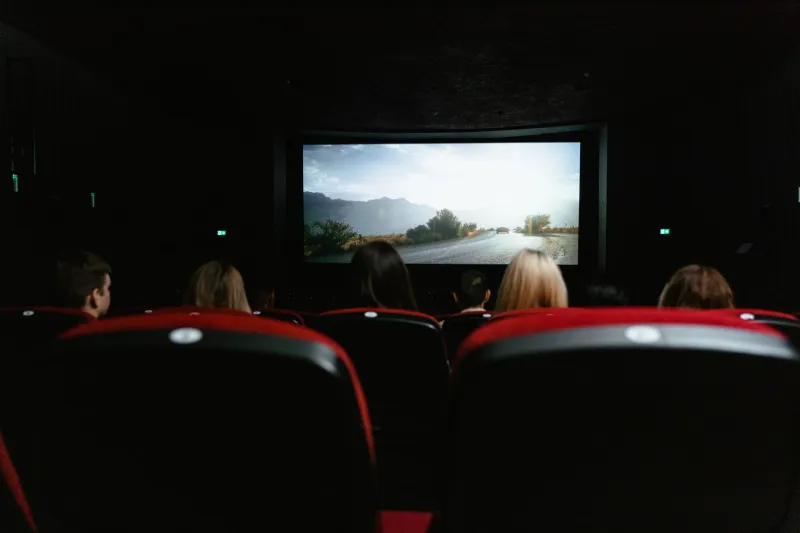
Cinema lobby displays in Britain had a particular role to play. The film’s visual identity — sandstone, blue sky, the body in a fissure — was striking enough to work as a standee or a poster in a multiplex corridor. It promised something different from the usual winter releases: not a franchise, not a romcom, not a costume drama. For independent cinemas, the film was an easier sell; for multiplexes, the challenge was to make a single-location survival story feel like an event.
The campaign leaned on Boyle’s name, on the authenticity of Ralston’s story and on Franco’s rising profile. It also benefited from the film’s festival reception, which gave British critics permission to describe 127 Hours as both harrowing and exhilarating. That critical framing became part of the marketing: the film was not merely a true story; it was a test of what cinema could do with the smallest possible space.
What the campaign got right
In the end, the UK campaign persuaded audiences that 127 Hours was not a film about a rock. It was a film about a decision. The marketing did not hide the canyon, but it placed the emphasis on the man inside it: his memories, his humour, his refusal to accept the ending that seemed inevitable. For a sceptical British public, that was the crucial shift. The film was sold not as an ordeal to be endured but as a story to be witnessed — and, in the best British tradition, one that might just leave the audience talking on the way home.