A Lesson in Consequence: The Quiet Rise of 127 Hours on British Timetables

In a Sheffield comprehensive, a geography teacher pauses the projector before the most famous scene. The class is not being spared the difficult part; the bell is simply due in seven minutes. The film, after all, runs to ninety-four minutes, and a double lesson is not quite the same as a cinema seat. Since its release in 2010, 127 Hours has settled into a modest but persistent place on British timetables. It is not a set text in the way a novel might be, nor a compulsory screening. Yet teachers in geography, PSHE and outdoor education return to it because it does something few films manage: it makes a distant landscape feel immediate, and it turns a survival story into a conversation about ordinary decisions.
From cinema release to scheme of work
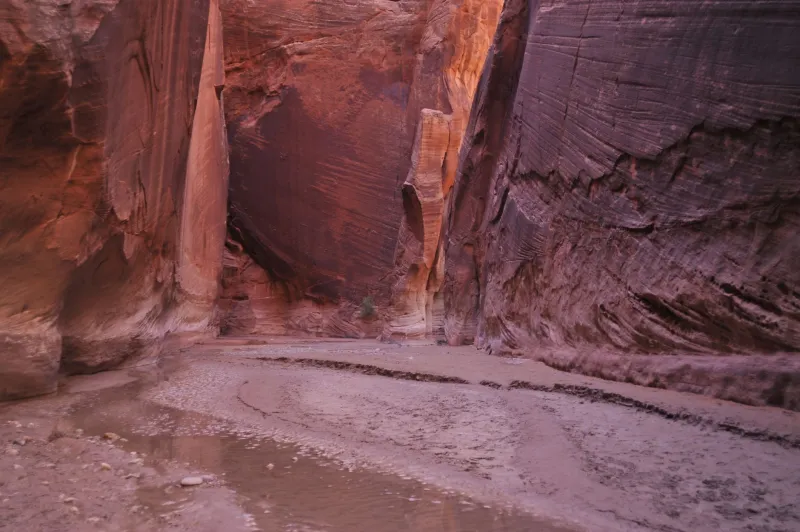
The film's journey into schools was never official. There is no national requirement to show Danny Boyle's account of Aron Ralston's ordeal in Blue John Canyon. Instead, individual teachers recognised a useful resource. Geography departments use it to discuss canyon formation, erosion, desert environments and the difference between real landscapes and cinematic ones. PSHE teachers use it to talk about risk assessment, resilience, isolation and the awkward business of asking for help. Outdoor-education staff use it as a cautionary tale that is more gripping than a laminated checklist.
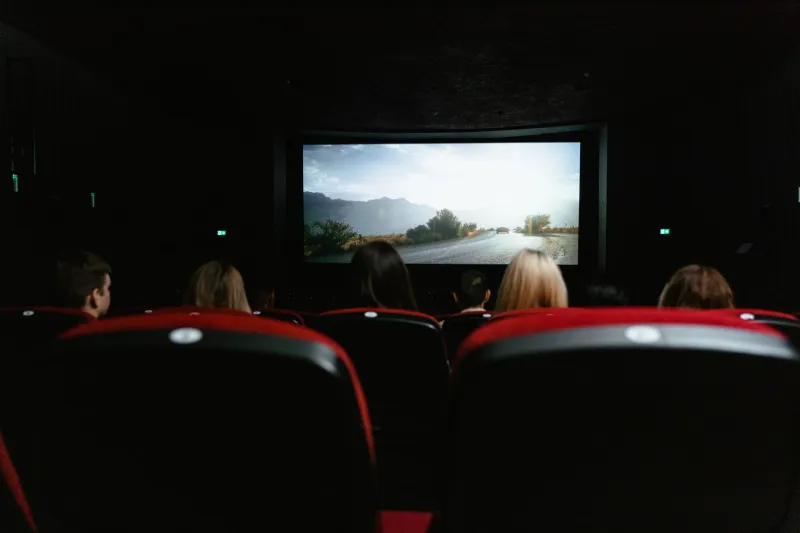
The 15 certificate generally steers the film towards Key Stage 4 and sixth-form groups. Teachers describe using clips rather than the whole feature, or sending letters home before a full screening. Some skip the amputation sequence altogether; others teach around it, acknowledging that the film's most visceral moment is also the one pupils are most likely to have heard about. The result is not a uniform lesson but a patchwork of practice, shaped by subject, age group and the judgement of individual staff.
The message that travels best: tell someone
Ask teachers what pupils remember and the answer is rarely the canyon. It is the answerphone messages, the lack of a note, the fact that nobody knew where Ralston had gone. In a British context, that message lands with particular force. Duke of Edinburgh's Award expeditions, Scout trips, fell-walking holidays in the Lake District and weekend hikes in the Peak District all depend on someone at home knowing the plan.
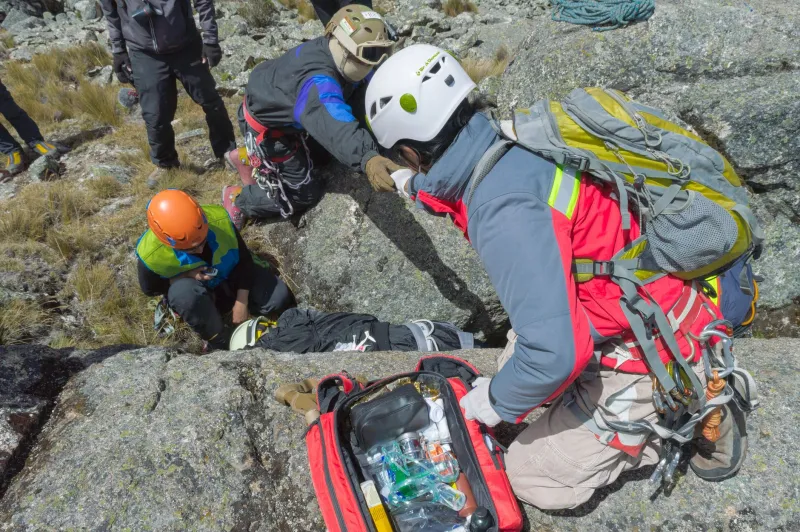
An outdoor-education centre in Cumbria uses the film to introduce what staff call the Ralston rule: leave a route card, name a contact, set a check-in time and stick to it. It is not a complicated lesson. But teachers say it is one that sticks. One former pupil, now in her twenties, recalls a geography lesson in which the class calculated how long it would take for a missed check-in to become a rescue call. 'It made the paperwork feel less like paperwork,' she says. Parents, too, tend to approve. The film's message is not that adventure is bad, but that adventure without communication is a gamble.
Ethical questions at the back of the classroom
PSHE lessons often move beyond practicalities. Was Ralston reckless, or simply unlucky? Is self-reliance a virtue, or a story we tell about masculinity? When should a person accept help, and when does asking for it feel like failure? These are not easy questions for teenagers, and teachers do not always agree on the answers.
A PSHE teacher in Cardiff describes using the film to open a discussion about stoicism and mental health. 'We ask them what Ralston tells himself in the canyon, and then we ask what they tell themselves when things go wrong,' she says. The aim is not to diagnose a fictional character but to make the language of isolation less strange. Other teachers focus on risk. They ask pupils to list the decisions Ralston made before the rock fell, and then to list the decisions they make before a night out, a hike or a drive. The film becomes a mirror rather than a lecture.
There are critics, too. Some teachers worry that the film glamorises solo adventure or oversimplifies a real event. Others point out that Blue John Canyon is not Snowdonia, and that a Hollywood canyon can only teach so much about British terrain. The best classroom use, they say, pairs the film with real accounts, maps and rescue data. It is a prompt, not a substitute for training.
Why it still works in 2026
More than fifteen years on, 127 Hours has an advantage over many educational resources: pupils have usually heard of it. They may not have seen it, but they know the story. That familiarity gives teachers a way in. The film's single-setting structure also suits media and film studies, where its use of camcorder footage and subjective memory can be analysed in a single lesson.
Meanwhile, the practical message has not dated. Mobile phones now run out of battery in remote areas just as they did in 2010, and British mountain rescue teams still ask walkers to carry a map, a torch and a charged phone. The film's central question, what would you do, remains useful precisely because most pupils will never face it. The lesson is not the canyon. It is the check-in text, the route card, the friend who knows when to raise the alarm.
As one teacher puts it, 'We do not show it to scare them. We show it so they talk.' That may be the film's quietest legacy in British classrooms: not a generation terrified of the outdoors, but a generation slightly more likely to tell someone where they are going.