Front Row for the Faint: Cinema Workers Recall the Release That Cleared the Aisles
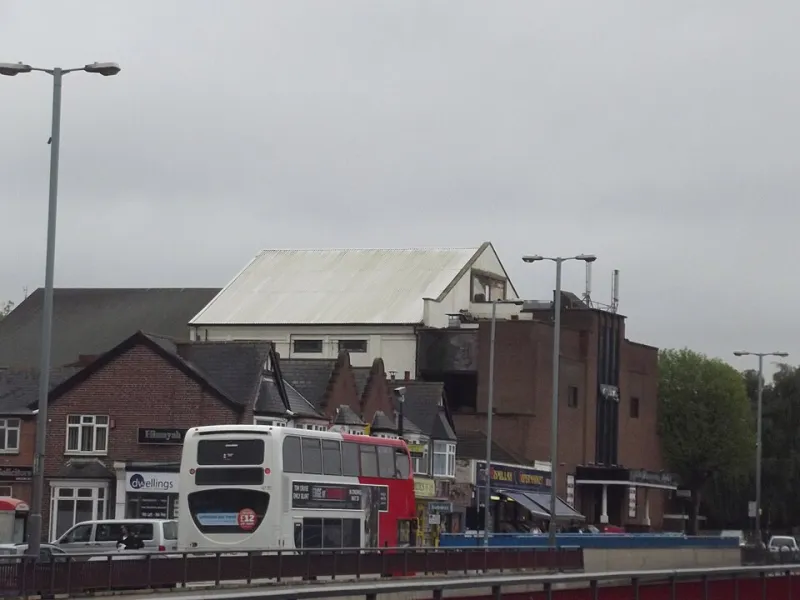
Photo: Elliott Brown from Birmingham, United Kingdom, CC BY-SA 2.0, via Wikimedia Commons
Every film has its premiere, but only a handful become a workplace story that cinema staff tell for decades. 127 Hours is one of them. Released across the UK in January 2011, Danny Boyle's survival drama turned ordinary shifts into something approaching field medicine — and the people sweeping the aisles remember it vividly.
We spoke to front-of-house workers from London to Glasgow about the screenings they will never forget. Names have been changed at some contributors' request, largely because their managers are still embarrassed.
'You Could Set Your Watch By It'
"It was about the forty-minute mark," remembers Debbie, who worked evenings at a multiplex in Manchester. "You'd hear this shuffling, and you'd know. Somebody's partner would appear at the top of the stairs looking grey, and you'd point them to the water fountain. We had a whole routine by the second week."
The stories were well documented at the time — fainting viewers at preview screenings in Los Angeles, paramedics on standby — but British cinema staff insist the UK had its own quieter version of the phenomenon. Nobody wanted to make a scene. People simply left, very politely, and were sick in the car park.
The Projectionist's Dilemma
For projectionists, the film posed an unusual technical challenge: the amputation scene arrives with almost no warning, in a film that is otherwise bright, fast and funny.
"You'd watch the timeline like a hawk," says Marcus, who ran the booth at an independent cinema in Sheffield. "There was a job to do around that point — checking the platters, whatever — purely so you weren't watching it yourself. I'd seen it four times and my stomach still dropped."
Independent venues, he notes, had a different problem: single screens meant everybody stayed. "In a big multiplex you could slip out. In a two-hundred-seat screen with a sold-out show, the whole audience went through it together. You could hear the collective intake of breath. It was almost liturgical."
Queue Round the Block
The film arrived in the UK on a wave of awards buzz and Boyle's own considerable national goodwill — this was the director of Slumdog Millionaire and, for many, the man who staged the Olympic opening ceremony soon after. Preview screenings in Leicester Square and at regional festivals sold out with an urgency usually reserved for blockbusters.
"We had queues for a film about a man stuck in a canyon," laughs Priya, who worked the box office in Birmingham. "People buying tickets in pairs, then one of them coming back before the show asking if they could swap to something else. We called it the Ralston refund."
A Strange Kind of Pride
What unites these recollections is not revulsion but something closer to affection. Cinema work is often anonymous — you clean up, you reset, nobody remembers you were there. For one winter, though, every usher in the country was part of a national conversation.
"My mum asked what the film was like and I said, I wouldn't know, I've been too busy fetching water for fainters," says Debbie. "But you felt like you'd been part of something. People talked to strangers in the lobby afterwards. That never happens."
Fifteen years later, the film endures on streaming and re-release, and a new generation discovers the scene that emptied those aisles. Somewhere, presumably, a modern usher is learning the routine all over again.