A Rock and a Hard Place Comes to Britain: The Night Aron Ralston Stood Before a London Bookshop Crowd
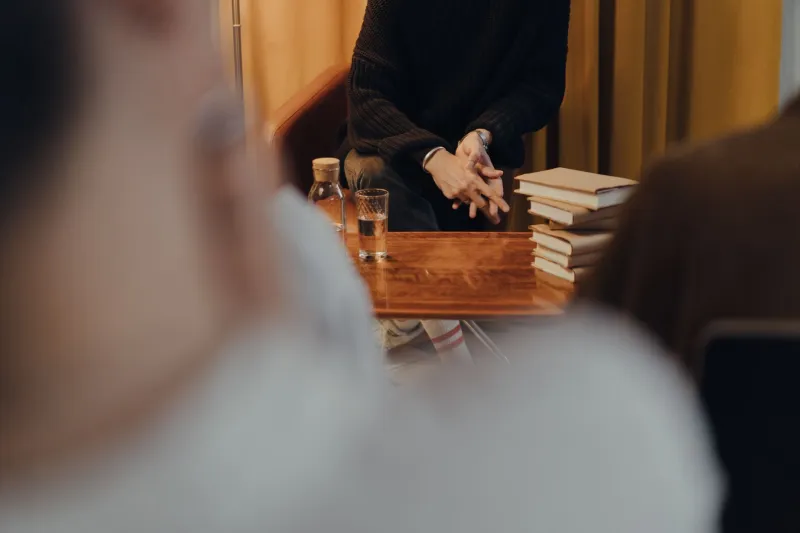
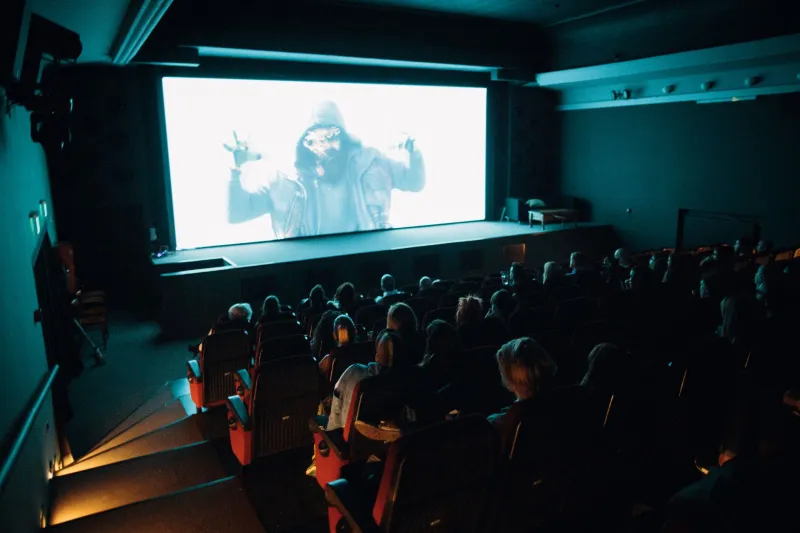
There is a particular kind of hush that falls over a British audience when the subject of a story walks into the room. It happened in a packed Waterstone's event space in central London in the mid-2000s, when Aron Ralston — the American climber whose arm was amputated with a blunt multi-tool in a Utah slot canyon — arrived to promote the British edition of his memoir, Between a Rock and a Hard Place.
For readers of this site, the scene needs little introduction. Ralston spent 127 hours pinned by an 800-pound boulder in Blue John Canyon before cutting free his own right forearm to survive. What is less well remembered, particularly among those who came to the story through Danny Boyle's 2010 film, is how much of the story's British life was built in person, on stages like that one, years before James Franco ever picked up a blunt pocket knife on a Pinewood set.
The Book That Reached Britain First
Ralston's memoir arrived in the UK with a modest fanfare but found a devoted readership among Britain's hillwalkers, climbers and armchair adventurers. In the Lake District and the Scottish Highlands, where the memory of near-misses on ridges and in gullies is passed around bothies and climbing huts like folklore, the book landed with unusual force. Here was a first-person account that did not flinch — and did not, crucially, flatter its author.
His London appearance that season was not a celebrity roadshow. It was a reading, a question-and-answer session, and a queue that snaked past the travel section. Those present recall a speaker who was precise rather than theatrical, who could describe the mechanics of his entrapment in the flat tone of a man delivering an incident report, then break into genuine laughter at the absurdity of his own decisions. He had, by his own admission, told no one where he was going.
The Festival Circuit and the British Adventure Community
Ralston's visits to Britain were few, but they mattered. Speaking engagements at British adventure and outdoors events gave UK audiences something the film never could: the chance to interrogate the man directly. The questions, characteristically, were not about gore or heroics. British audiences wanted to know about the gear, the decision-making, the failure to leave a route plan — the same questions that now dominate the comment threads beneath every screening of the film.
His answers reshaped conversations in Britain's outdoor community. The story became a cautionary tale told at walking club briefings, a reference point in discussions about solo travel and communication devices. Long before The Ralston Factor entered the national vocabulary of kit lists and safety briefings, the man himself had planted the seed in person.
What He Said — and What He Refused to Say
The most striking element of Ralston's British appearances, then and since, is his restraint. Asked about the amputation, he described it with clinical economy: the tourniquet, the multi-tool, the breaking of the radius and ulna. He did not dwell. He did not perform. When the film arrived and the scene became the most discussed five minutes in British cinema — the faintings, the ambulance calls, the multiplex legend — Ralston remained conspicuously measured in public commentary.
That restraint is precisely why it resonates here. British culture has an instinctive suspicion of overstatement; we trust the understated witness more than the raconteur. Ralston, in a London bookshop or on a festival stage, behaved like the kind of person Britain's outdoors community genuinely respects: someone more interested in the lesson than the legend.
Why the Visits Still Matter
The film is now a fixture of British cinephile life — revived by independent cinemas, debated by students of Boyle's craft, rewatched every time it surfaces on a streaming service. But the story's British foundation was laid in those earlier, quieter encounters. The readers who queued with paperbacks in hand became the film's first evangelists. The hillwalkers who heard him speak became the ones who told their walking partners, years later, there's a film you need to see.
Ralston has not made a habit of returning to these shores. Perhaps that scarcity is part of the story's durability. The canyon was a single place; the film a single room of a narrative. But the man himself, standing briefly under fluorescent lights in a London bookshop, gave British audiences the one thing no screen can: the unadorned voice of the person who lived it, asking nothing of the room except that they listen — and then check the weather, tell someone where they're going, and pack the right tools.
Some lessons arrive in 127 hours. Others take a single evening. Britain, characteristically, took both.