‘I Need a Bigger Knife’: The 127 Hours Lines That Escaped the Cinema and Entered the Pub
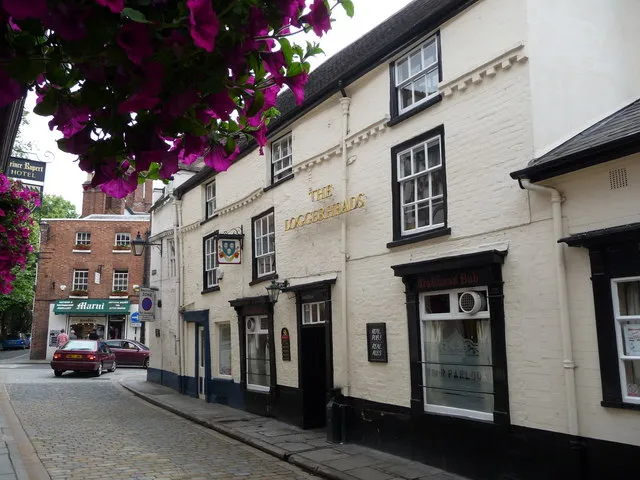
Photo: Jeremy Bolwell, CC BY-SA 2.0, via Wikimedia Commons
The film that taught Britain to understate
127 Hours is not a quotable film in the conventional sense. It does not deal in catchphrases, villain monologues or romantic declarations. Its language is sparse, often practical, frequently funny in a dry, self-deprecating way. And yet a few lines have escaped the cinema and lodged themselves in British conversation. They turn up in kitchens, in offices, in group chats and in the aisles of hardware shops. They are rarely used with any reverence for the film. That is precisely why they have survived.
British audiences have a long tradition of taking a harrowing experience and reducing it to a line of gallows humour. The quotes that endure from 127 Hours tend to be the ones that sound ordinary until you remember where they came from. They are not slogans. They are coping mechanisms, and Britain has always been good at those.
‘Oops’
This is perhaps the most British of all the film’s lines. Aron Ralston, having just fallen into the canyon and dislodged the boulder that will pin him, offers a small, rueful ‘Oops.’ It is not a scream. It is not a curse. It is the sound of a person acknowledging a catastrophic error with the same tone they might use after spilling tea. The line has escaped into everyday use because it captures something recognisable: the moment when a situation has gone so wrong that the only available response is understatement.
In Britain, ‘Oops’ now does service for minor disasters and major ones alike. A dropped plate. A mis-sent email. A boulder-sized problem at work. The word carries a trace of the film without requiring anyone to mention the film. That is the test of a genuine quotable: it becomes a unit of meaning in its own right.
‘I need a bigger knife’
This is the line that has travelled furthest, perhaps because it is the most adaptable. In the film, it is a moment of grim practical realisation. In British homes, it has become a staple of DIY, cooking and gardening. Anyone who has tried to open a stubborn packet, prune an overgrown hedge or assemble flat-pack furniture has found themselves saying it. The humour is dark, but it is also useful. It turns a moment of frustration into a shared reference.
What makes the line enduring is its refusal to be dramatic. It is not a cry of despair. It is a problem-solving statement. That is very much in the spirit of the film, which is as much about resourcefulness as it is about suffering. British viewers, who tend to distrust grand declarations, have taken to the line because it sounds like something a sensible person might actually say.
‘This rock has been waiting for me my entire life’
This is the film’s most philosophical line, and the one least likely to be used casually. But it has its place in British conversation, often delivered with a knowing smile when someone arrives at a situation that feels absurdly predestined: a traffic jam, a family gathering, a work meeting that could have been an email. The line works because it is simultaneously grand and ridiculous. It gives cosmic weight to a minor annoyance, and British humour loves that manoeuvre.
It also reveals something about how audiences process 127 Hours. The film is not just a survival story; it is a story about meaning-making. Aron Ralston interprets his predicament as something he was always moving toward. British viewers may not share that mysticism, but they recognise the impulse to narrate one’s own life. The quote survives because it can be used ironically, and irony is the British solvent for almost everything.
‘Don’t be scared’
The film’s quieter lines have had a slower afterlife. ‘Don’t be scared’ is not a punchline. It is a reassurance, and it belongs to the film’s emotional register rather than its comic one. Yet it has a way of returning to viewers. It is the kind of line that can be said to a nervous friend before an interview, a hospital appointment or a first day at work. It carries the film’s central tenderness: the knowledge that fear is present, and the decision to speak to it gently anyway.
In a British context, the line has a particular resonance. British stoicism often prefers silence to reassurance. ‘Don’t be scared’ is a small breach of that stoicism. It is the film’s reminder that survival is not only a matter of physical endurance; it is also a matter of what people say to themselves and to each other.
‘Every second counts’
This is the tagline that became a sentence in its own right. It is used in British workplaces, in gyms, in exam halls and in the anxious run-up to Christmas. It is not, strictly speaking, dialogue from the film, but it belongs to the film’s language. It captures the tension of 127 Hours without mentioning the canyon. It is also the kind of phrase that Britain likes: brisk, practical, faintly moralising.
The line has endured because it can be repurposed for almost anything. It works as encouragement, as warning, as a joke about deadlines. In the years since the film’s release, it has become detached from its source, which is the fate of all successful quotations. The film gave Britain a phrase; Britain has given it a life beyond the cinema.
Why these lines matter
The afterlife of 127 Hours in British speech is a reminder that a film does not have to be endlessly quoted to be absorbed into a culture. Sometimes it only needs to offer a handful of phrases that fit the national temperament: dry, practical, lightly fatalistic and secretly hopeful. The lines that have survived from 127 Hours are not the grandest ones. They are the ones that sound like something a British person might say when the odds are bad and the kettle is still on.
That is the film’s quiet achievement. It took an extreme experience and gave it a vocabulary. The canyon may be far away, but the lines are already home.